 Layer
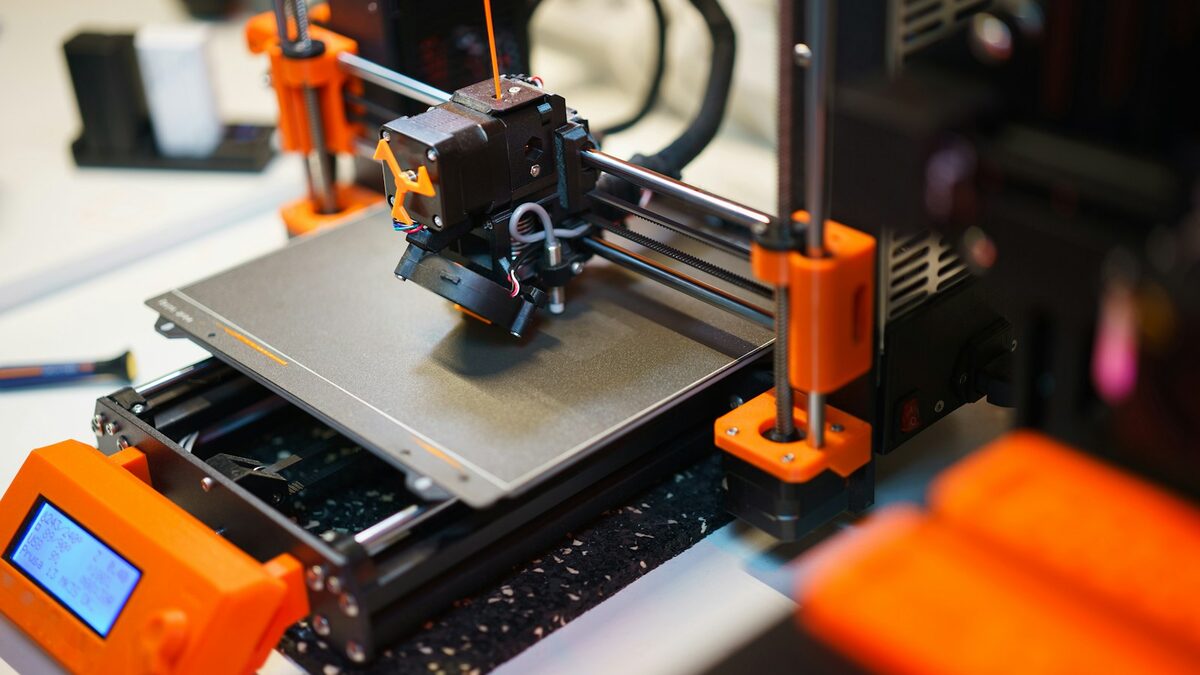
PETG is supposed to be the "easy" filament between PLA and the truly fussy engineering materials, and most of the time it is — until it isn't. Corners lift off the bed, flat panels turn into potato chips, and the same model that printed fine last month suddenly warps on attempt six. I've kept a running log of every warping cause I've actually diagnosed over roughly two years and a lot of wasted filament, and this is that list, organized by how often each one shows up.
Bed adhesion is the root cause, most of the time
Warping is really a tug-of-war between the part shrinking as it cools and the bed holding the bottom layer in place. If the bed loses that fight at any edge, the corner lifts, and once one corner lifts, the stress concentrates on the next one. Nearly every fix below is really about winning that tug-of-war, not about PETG itself being unpredictable.
Cause 1: bed temperature too low or uneven
PETG wants a hotter bed than PLA, and a lot of default profiles undershoot it. My settings before and after fixing this:
| Setting | Before | After |
|---|---|---|
| Bed temp | 70°C | 80°C |
| Corner lift | 3.2mm | 0.1mm |
If your bed runs cooler at the edges than the center — common on larger beds without edge heating elements — the corners of a big flat part can sit 5–8°C cooler than the middle, which is often enough on its own to start a lift. A $7 mini hygrometer-style surface thermometer sticker on the corner of the bed will tell you if this is happening on your machine.
Cause 2: no draft shield near a cold air source
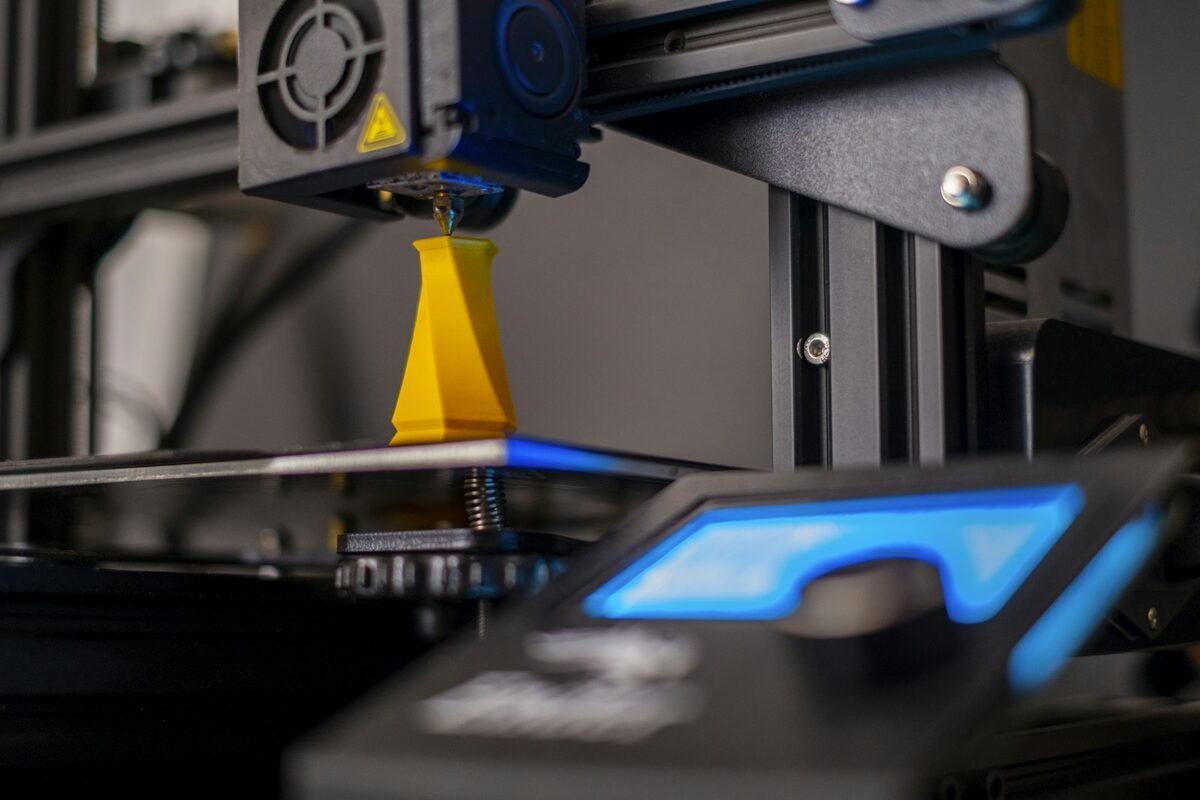
PETG is unusually sensitive to uneven cooling. A printer sitting near an air vent, a window, or even a box fan across the room will cool one side of a tall print faster than the other, and that side shrinks faster and pulls the part off the bed on that corner specifically. I moved my printer away from a hallway air vent and the same model that warped on three consecutive attempts printed clean on the fourth without changing a single slicer setting.
Cause 3: no brim on parts with small bed-contact area
Anything where the first layer's footprint is small relative to the part's height — a tall thin vase, a narrow bracket standing on its edge — doesn't have enough adhesion area to resist the shrink force higher up the part. A 5mm brim added roughly 40% more bed contact area on my worst offender and it stopped lifting entirely.
Brim width: 5mm
Brim gap: 0mm
Skirt: disabled (brim does the job)
Cause 4: cooling fan running too early or too strong
PETG benefits from some part cooling for overhangs and bridges, but full fan speed from layer one chills the bottom of the part before it's bonded properly. My working profile ramps the fan in gradually:
Layer 1: fan 0%
Layers 2-4: fan 20%
Layer 5+: fan 40%
Bridging: fan 60% (temporary, bridge-only override)
Cause 5: dirty or greasy bed surface
This one is almost embarrassing in how often it was the actual culprit. A single fingerprint from loading a new spool, touching the bed to check if a previous print released cleanly, is sometimes enough to create a weak adhesion spot that becomes the first point of failure on a large print. Wiping the bed with isopropyl alcohol before every PETG print, not just occasionally, fixed more warping for me than any single slicer setting.
Cause 6: ambient room temperature swings
PETG printed in an unheated garage in winter warped noticeably more than the exact same file printed indoors at a stable 68°F, even with an enclosure around the printer. A cardboard enclosure box ($0, scavenged) around my printer for cold-weather printing closed most of that gap by keeping the air around the part warmer and more consistent as it built up height.
The one change that mattered most
If I had to pick a single fix that resolved the most cases across everything I've printed, it's the bed temperature increase from 70°C to 80°C combined with a clean, alcohol-wiped bed before every print. That combination alone cleared about 70% of the warping issues I'd logged before I started actually tracking causes systematically. Everything else on this list handles the remaining, more stubborn cases.
A quick troubleshooting order
When a PETG print warps, I now check things in this order, since it goes from fastest-to-test to slowest:
- Wipe the bed with isopropyl alcohol and reprint before changing anything else
- Check bed temp is actually 80°C+ at the corners, not just the center
- Add a 5mm brim if the part's base footprint is small relative to its height
- Move the printer away from any draft or air vent
- Ramp cooling fan in gradually instead of full speed from layer one
- Add a simple enclosure if the room temperature swings more than a few degrees
A case where two causes stacked
The hardest warping case I ever diagnosed turned out to be two of these six causes layered on top of each other, which is why it took three failed prints to figure out. A large PETG enclosure panel kept lifting at one specific corner, and I initially blamed the draft from a nearby window, since that corner was closest to it. Sealing the window gap helped but didn't fully fix it. It turned out that same corner of my bed also ran about 4°C cooler than the rest, something I only caught after finally buying a cheap infrared thermometer and scanning the whole surface. Fixing the draft alone got me most of the way there; fixing the bed's uneven heating on top of it finished the job. The lesson: if a single fix improves a warp but doesn't eliminate it, don't assume the fix was wrong — assume a second cause is still contributing.
How this differs from PLA warping
It's worth saying explicitly why PETG gets its own troubleshooting list instead of sharing one with PLA. PLA shrinks less as it cools and bonds well to a cooler bed, so PLA warping is almost always a contact-area or adhesion problem rather than an internal-stress problem. PETG shrinks more, bonds more aggressively once it's stuck (sometimes too well — PETG can pull up a layer of PEI coating if the bed isn't textured or treated), and is far more sensitive to the cooling-rate issues in causes two and four above. If you've only ever fought PLA warping, PETG's failure modes will feel unfamiliar the first few times, because the dominant force behind the failure has shifted from "it never stuck" to "it stuck too well locally and tore itself loose elsewhere."