 Layer
Every week someone posts a photo of a failed print in a forum and asks what went wrong. Nine times out of ten, the actual fix isn't a slicer setting — it's a fourteen-dollar tool they don't own yet. I went back through two years of my own troubleshooting and tallied which physical tools, not software tweaks, resolved the most issues. The result is a shopping list that costs about $120 total and genuinely covers the majority of what goes wrong on a well-maintained printer.
Why tools beat settings, most of the time
Slicer settings assume your printer is telling the truth about itself — that the nozzle is actually at 0.4mm, that the bed is actually flat, that the filament is actually dry. A lot of "my first layer won't stick" or "my prints keep clogging" threads are actually hardware problems wearing a software costume. These seven tools let you verify the physical reality instead of guessing at numbers.
Parts list
Here's exactly what I'd buy, and what I paid for each, as of October 2026:
- Digital calipers, 0–150mmqty 1$14.99
- Nozzle set, brass, 0.2–1.0mm (6-pack)qty 1$12.49
- Filament dryer box, 1kg capacityqty 1$44.99
- Flush cutters, spring-loadedqty 1$8.99
- Deburring tool with spare bladesqty 1$9.99
- Purple glue stick, washableqty 2$4.98
- Isopropyl alcohol, 99%, 16ozqty 1$7.99
Total: $104.42 before tax, leaving room in the $120 budget for shipping or a second glue stick when the first one dries out.
What each one actually fixes
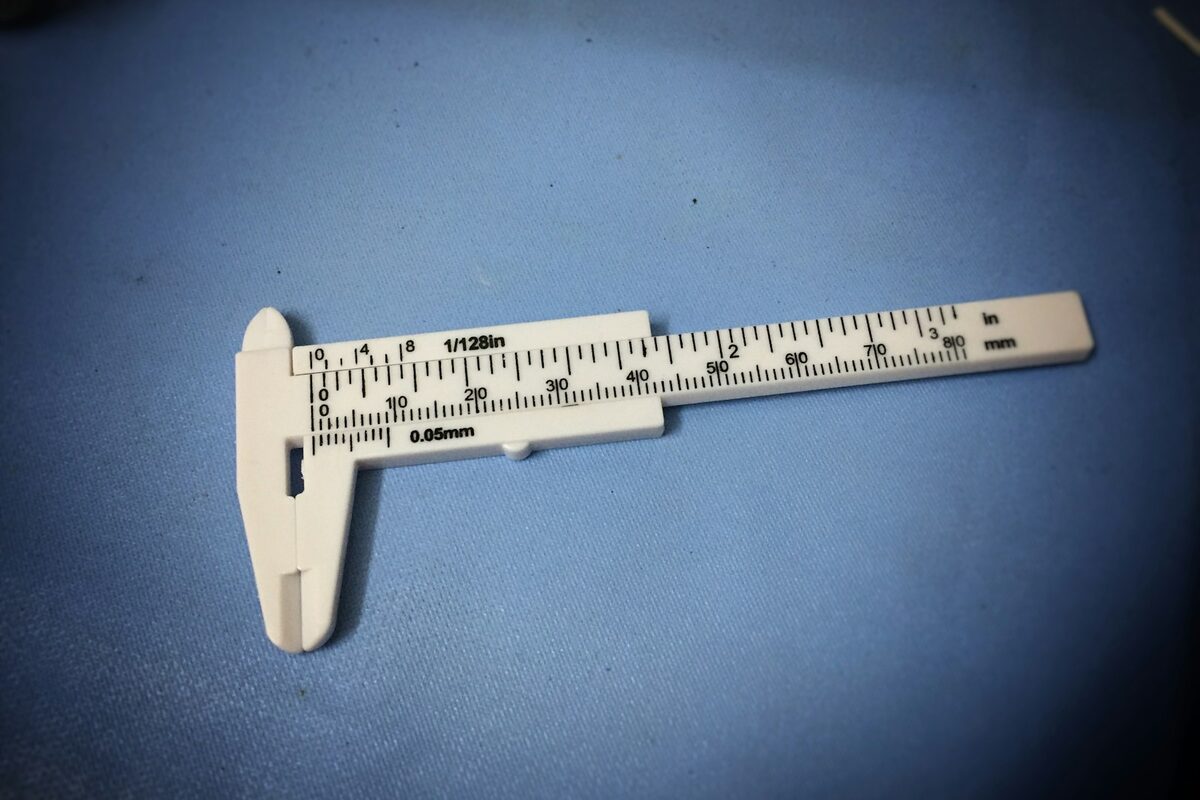
Calipers solve the single most common complaint I see: "my dimensions are off." You cannot tune extrusion multiplier, flow rate, or know whether your nozzle is actually worn without measuring an actual printed part against the model's intended size. A $15 caliper catches this in thirty seconds; guessing at it in the slicer can burn hours.
A nozzle set fixes clogs and under-extrusion that look like a slicer problem but are actually a partially blocked or worn nozzle. Brass nozzles wear down after 1–2kg of abrasive filament (wood fill, glow-in-the-dark, some carbon fiber blends) and the wear is often invisible until you swap it and the print immediately improves.
A filament dryer is the highest-leverage item on this list for anyone printing PETG, nylon, or TPU, and it matters for PLA too after a spool has been open for more than a few weeks. Wet filament causes stringing, popping sounds during extrusion, and a rough, bubbly surface finish that people often misdiagnose as a temperature problem.
Flush cutters sound too simple to matter, but clean filament cuts prevent the single most common AMS and multi-material feeding jam: a filament tip with a ragged burr that catches in the PTFE tube on its way into the hotend.
A deburring tool cleans up the edges on functional prints — snap-fit boxes, gears, anything that has to mate with another part — in about ten seconds per edge. It replaces sandpaper for 90% of the small edge work people do by hand.
Glue stick is still the most reliable bed adhesion method for PLA and PETG on a textured PEI sheet, cheaper and less messy than most specialty adhesion sprays, and it washes off with warm water when you're done.
Isopropyl alcohol cleans oils off the bed surface between prints — fingerprints alone are enough to cause first-layer adhesion failures on a freshly cleaned sheet, and most people re-contaminate their bed within a day of cleaning it without realizing it.
What I left off the list
I deliberately skipped a few popular purchases. A separate nozzle temperature thermometer is nice but mostly redundant if your printer's thermistor is accurate, which most modern ones are. A full tool kit with forty hex bits sounds useful but in practice you'll use three of the sizes 95% of the time — buy those three individually instead of the kit and save money. And a borescope camera for inspecting hotends is a fun gadget but solves a problem most people don't actually have.
The order I'd buy them in
If $120 all at once isn't in the budget, buy in this order based on how often each one gets used: calipers and isopropyl alcohol first (both under $23 combined and used on nearly every print), then the glue stick and deburring tool, then the nozzle set, and save the filament dryer for last unless you're already printing PETG or nylon regularly — in which case move it to the front of the line.
How I actually use these, day to day
None of these tools live in a drawer waiting for a crisis — they sit on the bench next to the printer and get touched almost every session. The calipers come out before I even start a new design, to measure whatever the part needs to mate with: a shelf bracket gets measured against the shelf, a phone mount gets measured against the actual phone. Skipping that step and trusting a spec sheet number is where a lot of "it doesn't fit" complaints come from, and it's avoidable in under a minute.
The isopropyl alcohol wipe happens before every PETG or ASA print without exception, and before most PLA prints unless I just finished one successfully with no issues. It takes fifteen seconds and it's cheap insurance against the single most common first-layer failure I see reported by readers: an invisible layer of oil from handling the bed.
The deburring tool and flush cutters live together in a small cup by the printer, and I've started handing them to my daughter when she wants to "finish" her own prints — a clean edge turns a rough-looking keychain into something that looks genuinely made, not just printed, and it's simple enough for a kid to do safely with supervision.
Buying once vs. buying cheap
One thing I'd add for anyone shopping off this list for the first time: the price spread within each category is usually small enough that buying the cheapest option rarely saves meaningful money, but buying the absolute cheapest can cost you in a different way. A $6 caliper with sloppy jaws will give you a measurement that's confidently wrong, which is worse than not measuring at all because you'll trust a bad number. Spend the extra $8 for a caliper that's actually been calibrated at the factory, and the same logic applies to the nozzle set — a nozzle that's slightly out of round at the tip can introduce inconsistent extrusion that looks exactly like a slicer problem until you've wasted an afternoon chasing the wrong cause.